How to Ethically Forage for Cyanotype Botanicals
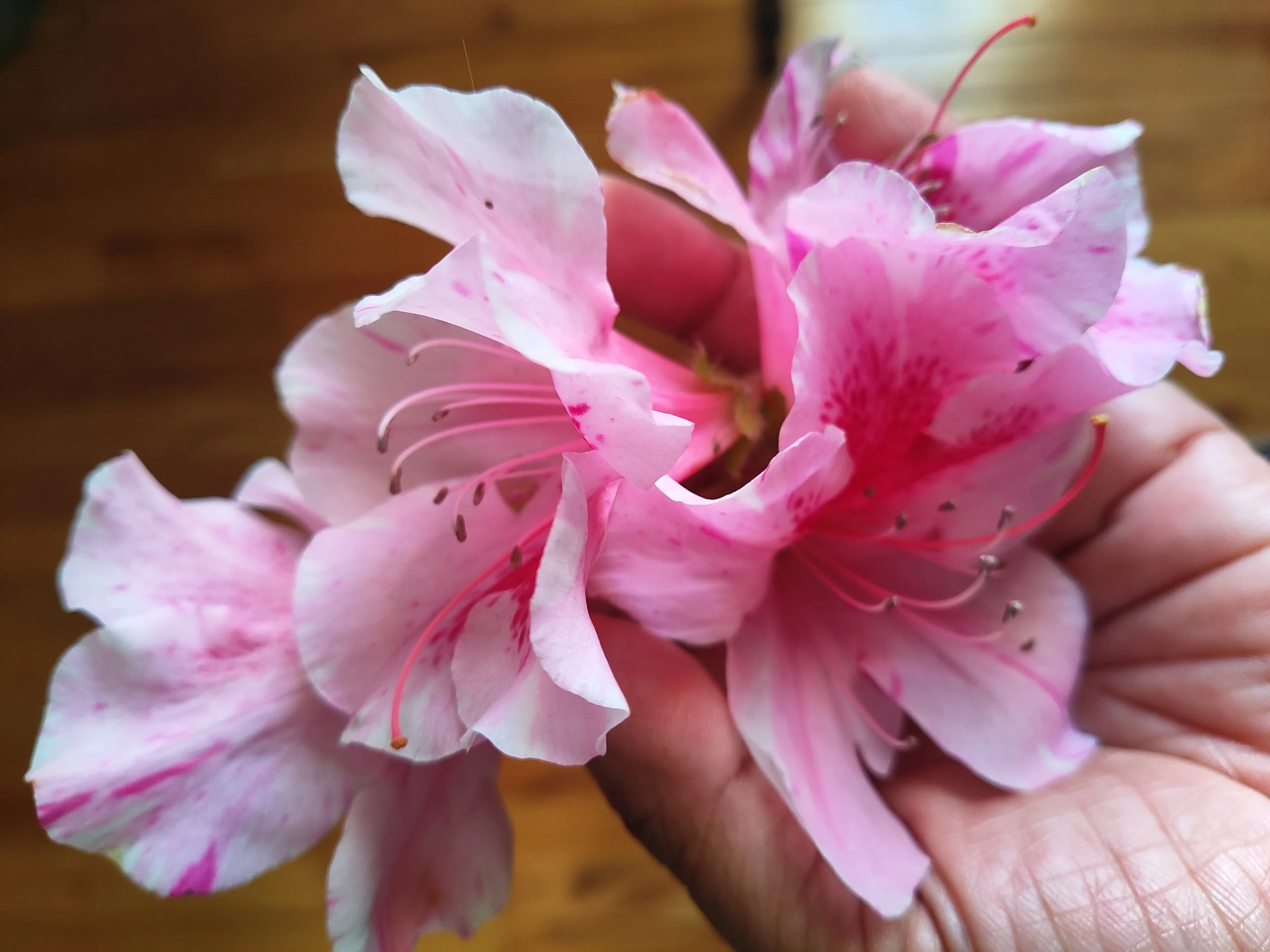
Here’s how to gather plants for cyanotype printmaking more sustainably, making the smallest impact on the environment.
Cyanotypes can be made using any kind of object from aluminum foil to zinnias, but botanicals remain the most popular picks.
Where do folks find the flowers, leaves, and vines to use in their sun print designs?
To many, that answer may seem obvious: you pick them.
But if you’re going to pick flowers every time you make cyanotypes, you might be the reason for some naked plants!
Before you put finger to flower and pinch, keep the below eco-friendly foraging tips in mind. Not only will they help you preserve nearby wild spaces (which are already at increased risk thanks to pollution, climate shifts, and habitat loss), but your neighborhood bees, butterflies, and other pollinators which depend on them for food will thank you!
Collect fallen blooms
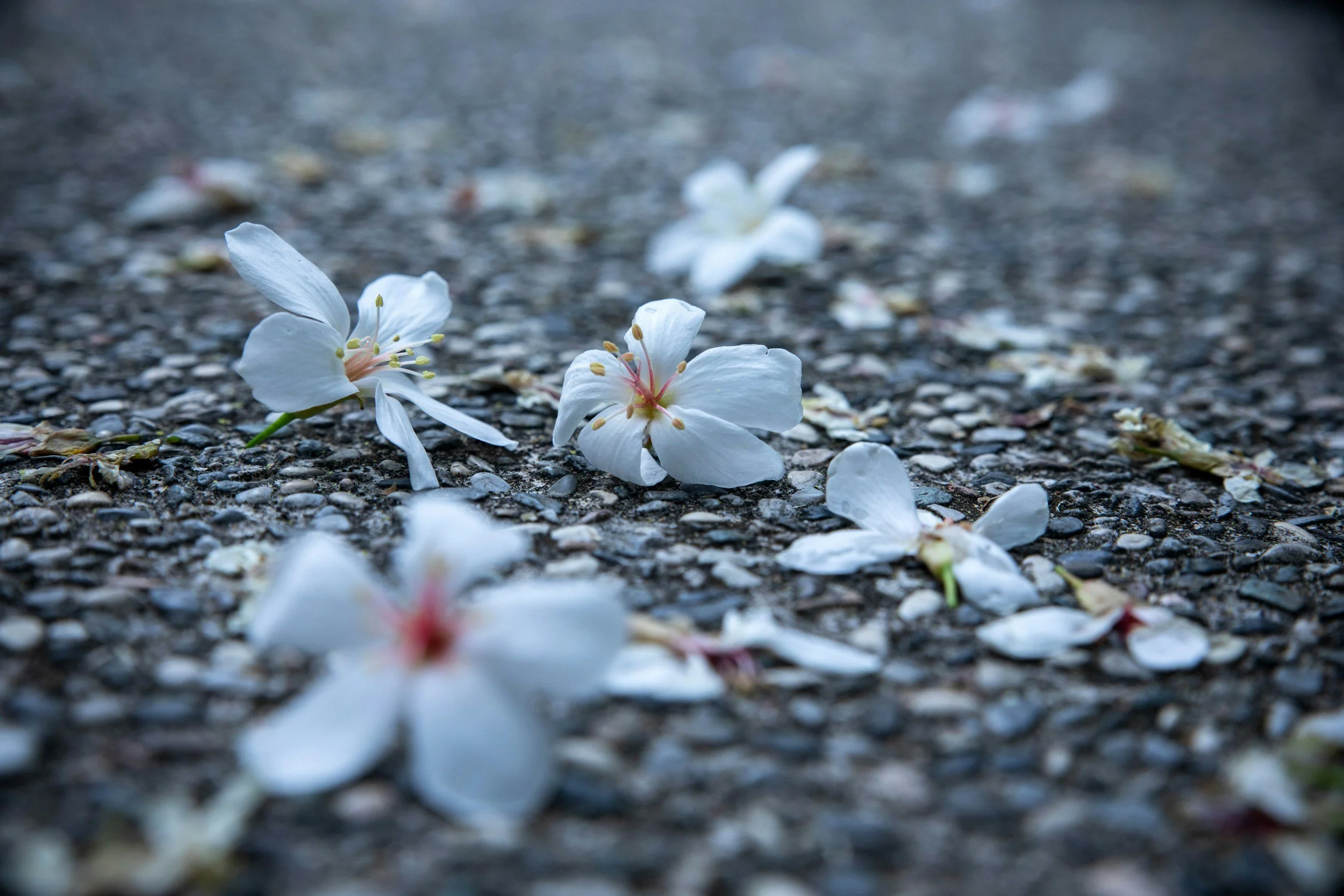
One of the best ways to forage botanicals in an ethical way is to forage plants that Mother Nature has already given you permission to take —those already on the ground.
Sure, fallen flowers may have a few imperfections, but they’re still perfectly good to use. Even those with small tears or missing petals are good subjects; their flaws will add a rustic charm to your prints, making them unique.
Recycle cuttings from the garden (and indoor houseplants)
Pruning (removing damaged or overgrown foliage) is a natural part of plant care. So, the next time you need to remove damaged leaves or “deadhead” blooms, don’t toss them in the bin — use them in your designs.
The same goes for floral arrangements and gift bouquets. After they’ve cheered up your home or office space for long enough, give them new life by incorporating them into your cyanotype art.
Take a photo
You know the saying, “take a picture, it’ll last longer”? Well, it’s true!
Photographing botanicals is the ultimate eco-friendly way to “harvest” them, especially if your desired plant happens to be sparse (overpicking could lead to its disappearance from that location), or located in a grumpy neighbor’s yard lol.
After capturing the photo, use your favorite graphics editor software to transform it into a grayscale negative, then print it on transparency film, and voilà—you’ve got a floral stencil that can be used indefinitely.
Wait until late-season to pick fresh florals
If you do decide you’d like to pick fresh florals, try waiting until the plant is producing its last round of blooms. (Think April or May for spring blooms, and August/early-September for summer florals.) By waiting until blooms are “old” or a plant is nearing the end of its growing season, the pollinators who depend on their pollen, nectar, or seeds for food will have had ample time to dine.
Preserve what you pick!
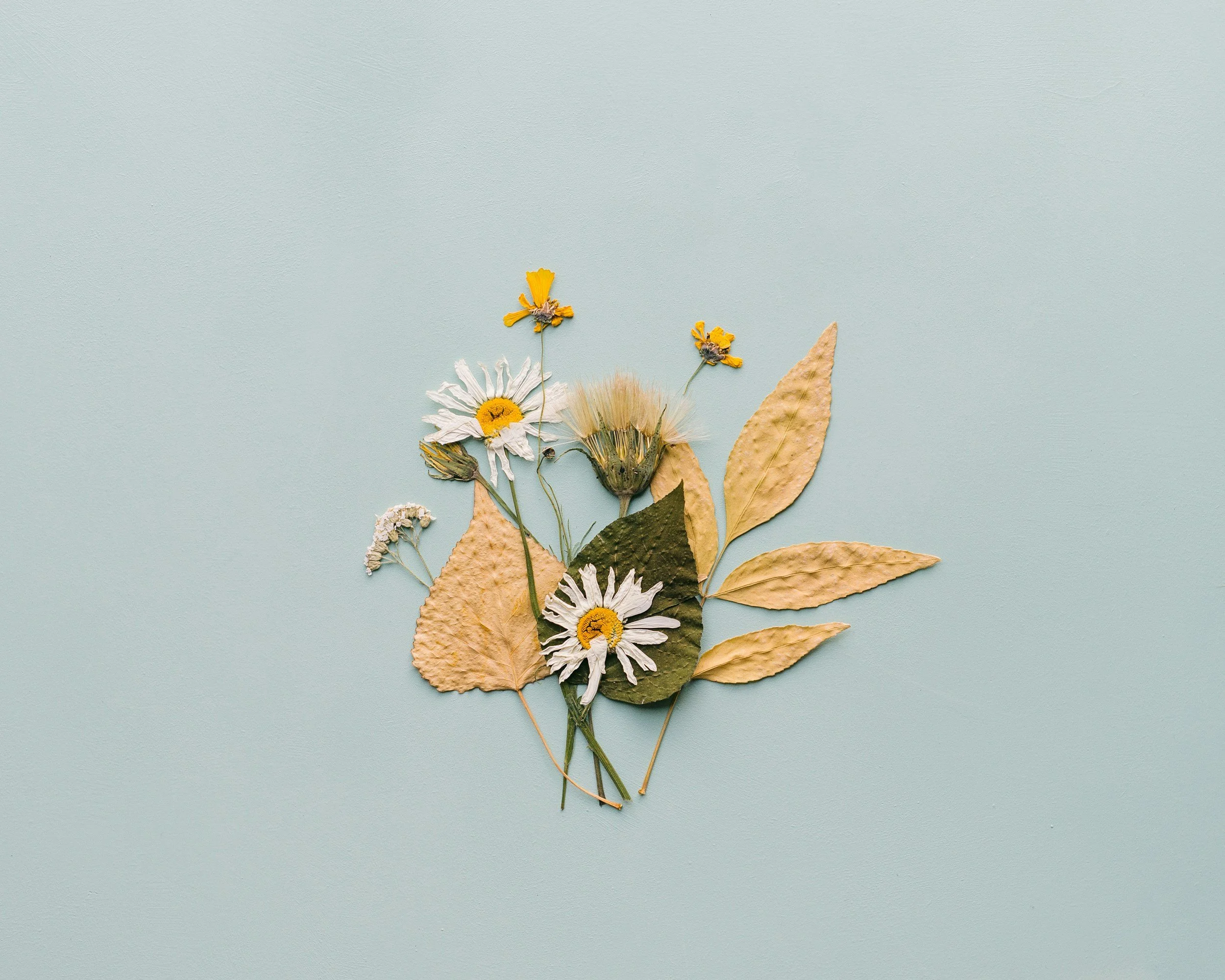
Once you pick a plant, don’t consider it to be “single-use.” If you dry or press what you’ve foraged, you’ll reduce the need to harvest more of that plant for future designs since you’ll be able to reuse the dried version as often as you wish.
I actually prefer using dried botanicals in my designs as they give more veining details, as opposed to the white, blob-like silhouettes that fresh flowers tend to create. (No shade to fresh flowers, sometimes they’re just not the aesthetic I’m aiming for.)
Pressing flowers doesn’t need to be complicated either. If you don’t happen to have a fancy wood press, simply sandwich your botanicals in wax paper, slip them in the back pages of a heavy book, and forget about them for 2-3 weeks. But more on that in a future blog…
Do you practice plant ethics, or is this the first time you’ve consciously thought of it?
Share your thoughts in the comments below.